



What Is a Fecal Occult Blood Test?
One of the more ubiquitous noninvasive screening tests to detect hidden blood in stool samples is a fecal occult blood test (FOBT). Blood may not always be noticeable but a tiny bit of blood, if present, can indicate digestive problems from hemorrhoids to colorectal cancer. Stool-based tests are sometimes advised as part of the usual preventive health care of adults, particularly those over age 45.
The mechanism of work of FOBT, what information can be gained from a stool sample, and the implications of the various results can help patients make informed choices regarding their health care and identify potential signs of gastrointestinal disease in the early stages.
What Is a Fecal Occult Blood Test?
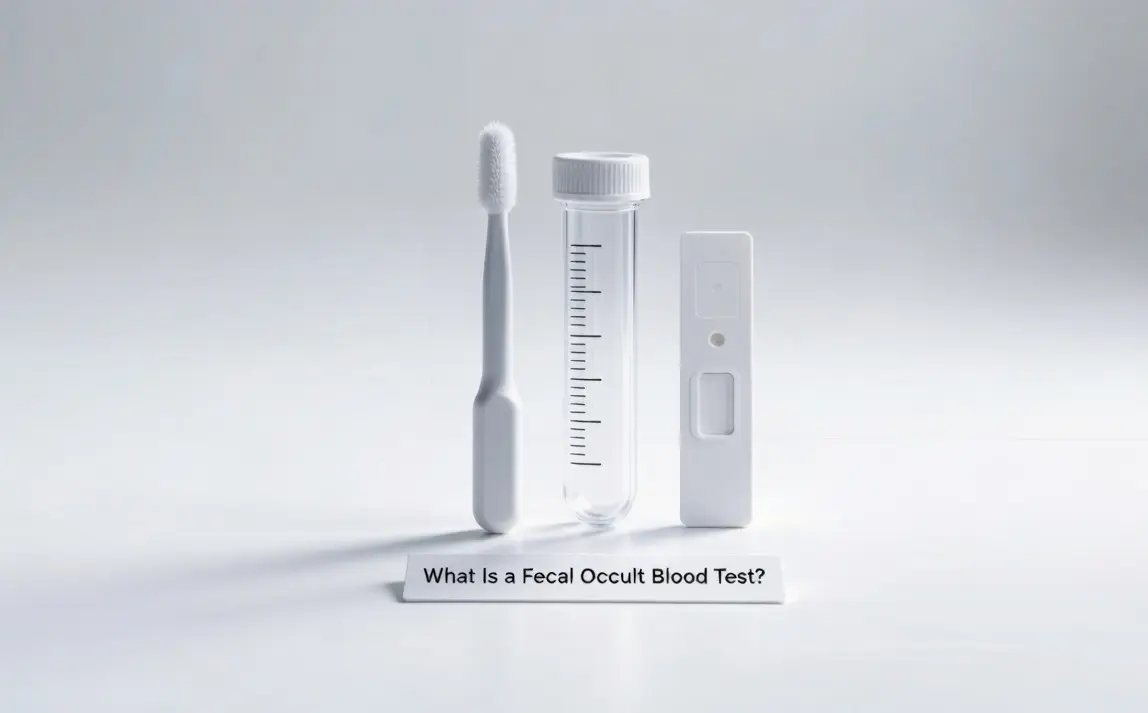
Fecal occult blood test is a lab screening test used to detect microscopic amounts of blood in stool when no blood is visible. The word "occult" is used to denote things that are not directly visible. Usually, these tests would be ordered as part of a general colorectal cancer screening, as a screening test for colon polyps, in the diagnosis of inflammatory bowel disease and for other digestive tract disorders.
Doctors often recommend FOBT testing for people who don't have any symptoms because early detection will improve the chances of a successful treatment. If the test is positive, it is not necessarily cancer, but it suggests that more tests may be needed.
Why Stool Samples Matter in Digestive Health
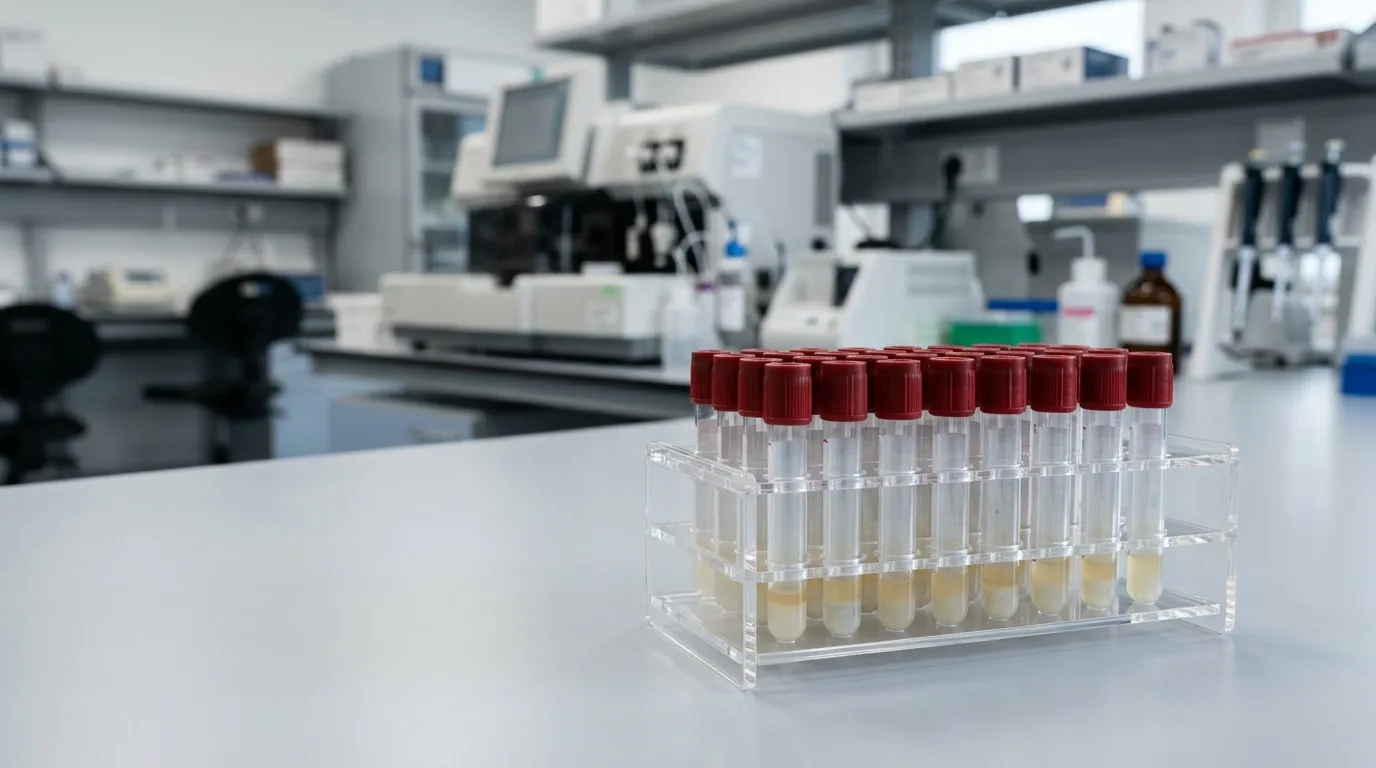
Stool samples offer important clues to health of gastrointestinal tract. The digestive system breaks down food, sucks up the nutrients and gets rid of the wastes; as such stool can show abnormalities related to bleeding, infection, inflammation and poor digestion.
Fecal tests can be used by healthcare providers to look for:
- Hidden blood
- Bacterial or parasitic infections
- Inflammatory markers
- DNA changes linked to colorectal cancer
- Digestive enzyme deficiencies
- Signs of gastrointestinal bleeding
Many digestive diseases occur without symptoms; thus stool testing is becoming an important preventative screening tool.
Types of Fecal Occult Blood Tests
Today there are a number of different types of stool blood tests. There are different technologies for each method that may be used to detect hidden blood.
1. Guaiac Fecal Occult Blood Test (gFOBT)
The guaiac FOBT tests for the presence of hemoglobin (blood protein) using a chemical reaction. Stool samples are placed on special cards during testing and treated with a "developer solution. If blood is present, the card turns the colour.
This is an older screening test that might have to be performed after making dietary changes before the test is taken, due to certain foods and medications having an impact on the results.
2. Fecal Immunochemical Test (FIT)
The fecal immunochemical test is more commonly used these days as it is more sensitive and accurate for colorectal cancer screening. FIT identifies human hemoglobin proteins in stools as antibodies.
FIT does not generally require significant changes to the diet before the sample is taken, as is the case with gFOBT.
3. Stool DNA Testing (FIT-DNA)
FIT-DNA testing is a combination of the blood test and analysis of abnormal DNA markers excreted by colon cells. This technique can detect some genetic alterations found in CRC and the risk of developing CRC.
For the average person, stool DNA testing may be suggested at three-year intervals.
How to Collect a Stool Sample Properly
The correct collection of stool is extremely important for the correct results. The majority of home testing kits come with instructions and collection equipment.
The typical collection steps are:
- Place collection paper or a container in the toilet
- Avoid contaminating the sample with urine or toilet water
- Use the provided applicator or probe to collect a small stool sample
- Place the sample into the test container or onto the testing card
- Seal and return the sample according to instructions
Properly following the directions will minimize false-positive or false-negative results. Several samples of stool may be needed for some tests.
What a Positive FOBT Result Means
Blood was found somewhere in the digestive tract if the fecal occult blood test is positive. But this doesn't necessarily mean cancer.
Some common reasons for positive stool blood tests are:
- Hemorrhoids
- Colon polyps
- Peptic ulcers
- Inflammatory bowel disease
- Anal fissures
- Gastritis
- Colorectal cancer
If the test is positive, further testing is usually recommended to find the cause of the bleeding, particularly a colonoscopy.
What a Negative FOBT Result Means
If the stool sample is negative, that indicates that there was no hidden blood in the stool sample at the time of testing. This is comforting, but it won't guarantee no digestive disease.
Cancer or polyps may bleed from time to time and one negative test might not detect a problem. Due to this factor, screening is recommended annually in adults with average risk.
Common Causes of False Results
FOBT testing is a helpful, but not foolproof, tool. Some foods, drugs or mistakes collecting the sample can affect results.
Possible False Positives
Factors that may trigger a false-positive result include:
- Red meat consumption
- NSAID medications
- Menstruation
- Bleeding gums
- Hemorrhoids
- Certain supplements
Possible False Negatives
False negatives may occur when:
- Bleeding is intermittent
- The sample size is too small
- Improper collection techniques are used
- Polyps are not actively bleeding
Healthcare providers often recommend repeating tests regularly to improve screening accuracy.
FOBT vs Colonoscopy
Many patients wonder whether stool tests can replace colonoscopy. While FOBT and FIT are effective screening tools, colonoscopy remains the gold standard for colorectal cancer detection.
| Screening Method | Invasiveness | Detects Blood | Detects Polyps | Requires Sedation |
|---|---|---|---|---|
| FOBT/FIT | Noninvasive | Yes | Indirectly | No |
| Stool DNA Test | Noninvasive | Yes | Some abnormalities | No |
| Colonoscopy | Invasive | Yes | Yes | Usually |
| Virtual Colonoscopy | Minimally invasive | No | Yes | No |
Stool testing is often used as a first-line screening option, while colonoscopy is recommended if abnormalities are found.
Who Should Get Screened?
For average-risk people, the American Cancer Society (ACS) recommends screening for colorectal cancer starting at age 45. People with more risk factors might require more or earlier screening.
Risk factors include:
- Family history of colorectal cancer
- Inflammatory bowel disease
- Smoking
- Obesity
- Poor diet
- Sedentary lifestyle
- Previous colon polyps
Discussing personal risk factors with a healthcare provider helps determine the most appropriate screening schedule.
Are Black Stools Always Dangerous?
Blood in the upper digestive tract may cause dark or black stools, though not all blood in the upper digestive tract will lead to this. Other foods or medicines can also cause stool to look black.
Some non-toxic factors may contribute to the symptoms, such as:
- Iron supplements
- Black licorice
- Blueberries
- Bismuth medications
But if the black or tarry stool continues, it should always be checked by a health care provider, as it can indicate ulcers, gastrointestinal bleeding or cancer.
Benefits of Early Detection
One of the best benefits of stool-based screening tests is early detection. Colorectal cancer may take many years to develop, starting with small polyps that don't cause symptoms.
Regular screening can help:
- Detect cancer earlier
- Identify precancerous polyps
- Improve survival rates
- Reduce treatment costs
- Prevent disease progression
Preventative screening is an important part of long-term health management as many digestive disorders are treatable if they are caught early.
Final Thoughts
A fecal occult blood test is a simple but powerful test that can help pinpoint hidden, bleeding gastrointestinal disorders and detect possible digestive problems early. These stool tests, whether gFOBT, FIT or stool DNA testing, give helpful information that can help with early diagnosis and better treatment results.
A positive stool test does not always indicate the presence of cancer, but it must not be overlooked. Similarly, if a result is negative, it's still important to get regular screening as some digestive conditions bleed on and off.
With knowledge of what stool tests can tell them and adherence to recommended screening guidelines, people can take proactive steps to safeguard their digestive health and overall health.