


Updated 5 months ago
What are the advantages of Micro Blood Collection Tubes in pediatric testing?

Admin

What are the advantages of Micro Blood Collection Tubes in pediatric testing?
Every drop of blood counts in the pediatric healthcare, literally. Infants and young children also possess much less blood compared to adults, so the conventional methods of blood collection are more invasive, and could be riskier. It is in this area that Micro Blood Collection Tubes have revolutionized contemporary diagnostic procedures. These tubes are specifically designed as small-volume sampling and have a variety of clinical, operational, and patient-centered advantages. Throughout this article we will discuss the major benefits of micro blood collection tubes in pediatric testing and why they are becoming a critical instrument in labs across the globe.
What Do Micro Blood Collection Tubes Mean?
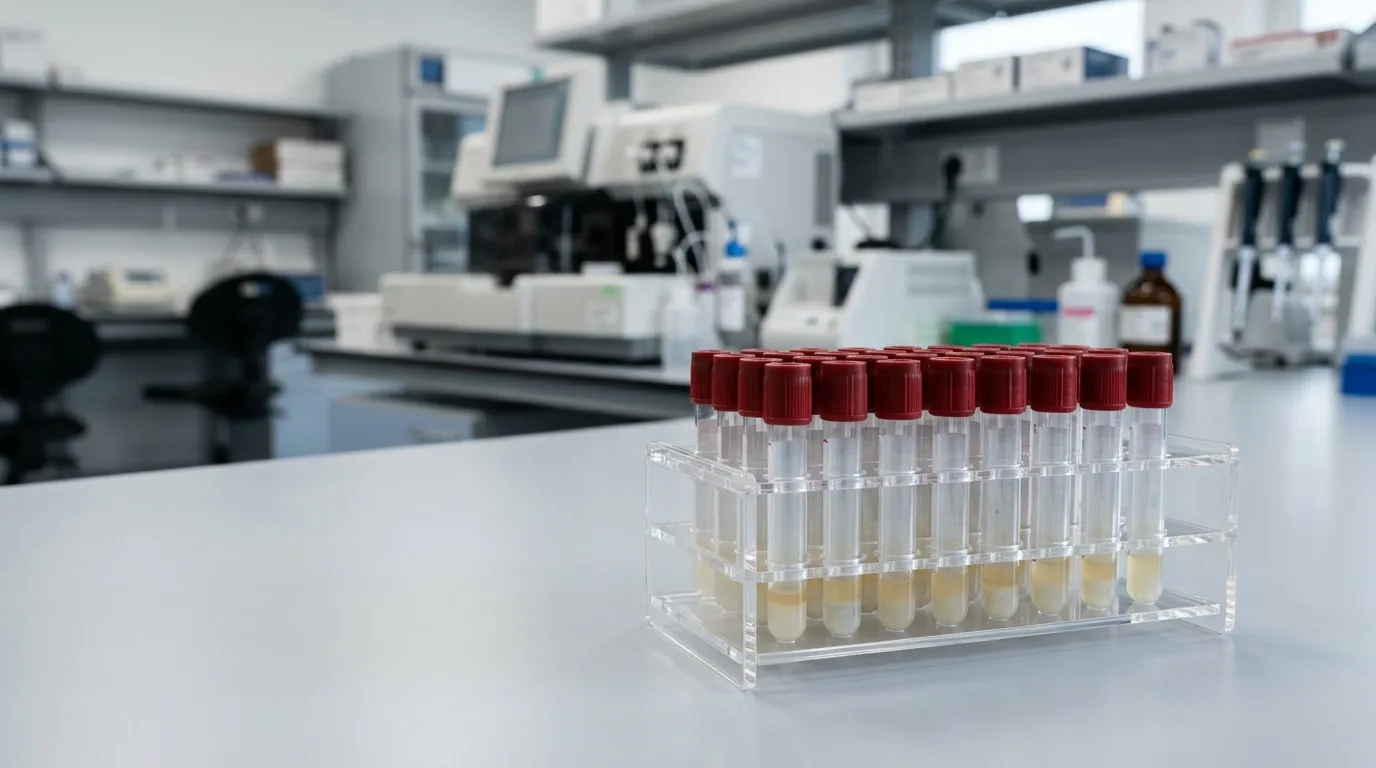
Micro blood collection tubes are delicate-capacity tubes that collect, transfer, and handle small volumes of blood- most of the time collected through capillary sampling (e.g. a heel stick with a newborn or a finger prick with a child). There are also additives, which are usually added in these tubes in the form of anticoagulants or clot activators, depending on the diagnosis need.
They are uniquely designed to reduce the amount of blood needed yet maintain sample integrity to obtain correct laboratory analyses.
1. Decreased Blood Volume Requirements.
The fact that micro blood collection tubes can be used with minimal volumes of blood is one of the greatest strengths associated with them. Excessive blood draws in pediatric patients and most importantly in neonates may cause complication like anemia or hemodynamic instability.
Micro tubes need very little blood compared to the one required in the traditional venous sampling. This renders them useful in:
· Neonatal screening
· Regular check-ups of chronic diseases.
· Incubators and premature babies in intensive care units.
These tubes aid safer and more sustainable testing practices by preserving precious blood volume.
2. Minimally Invasive Collection
Conventional venipuncture may be pain and stressful to the children. Micro blood collection tubes are generally based on the principle of capillary sampling methods, which are much less invasive.
Benefits include:
· Less pain and discomfort.
· Reduced risk of infection.
· Faster procedure time
· Increased patient cooperation
This is especially vital in the field of pediatrics, where alleviating anxiety and trauma can enhance overall healthcare experiences of children and their caregivers.
3. Improved Patient Safety
Micro blood collection tubes are very helpful in terms of patient safety in a few ways:
· Reduced risk of iatrogenic anemia: Repeated blood tests are a common cause of anemia among hospitalized infants. Micro sampling minimizes this risk.
· Less contact with needles: Capillary sampling eliminates the necessity of repeated venipuncture.
· Reduced total blood loss: Particularly important in the neonatal intensive care units (NICUs).
These tubes support the ethics of the contemporary patient-centered care through their restricted physiological effect of tests.
4. Enhanced Sample Integrity
Although the micro blood collection tubes have less volume, they are meant to maintain the quality of the sample. Many tubes include:
· Accurately designed interior to avoid clotting or hemolysis.
· Specific-test additives (e.g., EDTA, heparin)
· Safe sealing measures to ensure contamination.
Sample integrity is essential in maintaining high-quality laboratory results, which is vital in diagnosis and treatment planning.
5. Faster Turnaround Time
Simpler processing times are usually associated with smaller sample volumes and simplified collection procedures. This is especially useful in the emergency or critical care environment.
Advantages include:
· Rapid collection at bedside
· Increased speed of transportation and handling.
· Less centrifugation time in certain instances.
The faster turnaround time will help health care providers to make timely clinical decisions to enhance patient outcomes.
6. Ideal for Point-of-Care Testing (POCT)
POT devices are very compatible with micro blood collection tubes. Portable diagnostic tools are rapidly being applied in the pediatric environment to provide prompt outcomes.
POCT has the following benefits:
· Minimal sample preparation
· Interferability with micro analyzers.
· Less reliance on central lab facilities.
This renders them particularly helpful in remote or resource constrained settings where full laboratory infrastructure might not be readily available.
7. Cost-Effective Solution
Though micro blood collection tubes might appear to be specialized, they can help to achieve the net cost reduction in healthcare systems:
· Less frequent repeat testing because of errors in the sample.
· Less risk of complications, decreasing the cost of treatment.
· Reduced consumption of consumables in comparison with larger volume tubes.
These savings can be significant in the long-term in pediatric care where regular observation is the norm.
8. Improved Adherence to Pediatric guidelines.
The reduction of blood loss among pediatric patients in healthcare organizations is becoming a focus issue. Micro blood collection tubes assist institutions to abide by these guidelines by:
· Favoring low-volume sampling guidelines.
· Less cumulative blood loss.
· Compliant with the best practices in neonatal care.
This is not only bettering patient results, but also the institutional credibility and quality measures.
9. Multipurposeness In Diagnostic Uses.
Micro blood collection tubes can be used in a great variety of tests such as:
· Hematology
· Chemistry panels
· Blood gas analysis
· Infectious disease screening
They can be used in multi-test environments and hence save on the use of a variety of collection methods.
10. Improved Workflow Efficiency
Laboratory-wise, micro blood collection tubes simplify processes:
· Convenient handling and storage.
· Less labelling errors because of smaller batches.
· Interoperability with automated systems.
This productivity is favorable to both clinical and laboratory technicians, enabling them to perform their tasks with more ease and increase their output.
11. Environmentally Friendly Option
Small tubes require less plastic and produce less medical waste than typical collection systems. With the shift in healthcare towards sustainability, micro blood collection tubes provide a friendly alternative.
Some of the environmental benefits are:
· Reduced material usage
· Lower disposal volume
· Decreased environmental footprint
This coincides with the efforts of the globe to ensure they make healthcare more sustainable without reducing quality.
12. Improved Caregiver experience.
When their children are put through medical procedures, parents and caregivers are usually anxious. Micro blood collection techniques can alleviate these issues by:
· Shortening procedure time
· Reducing visible discomfort
· Reducing multiple needle sticks.
A better experience can enhance confidence in the healthcare providers and promote compliance with follow-up care.
Conclusion
Micro blood collection tubes are a major breakthrough in diagnosis of pediatrics. They provide a safer, less invasive and more effective alternative to traditional methods by tackling the special issues of blood sampling in children.
The benefits are evident, whether it comes to the minimization of blood volume needs or the comfort of patients and increased efficiency of the laboratory. With the ongoing focus of healthcare on the patient-centered approach and accurate diagnostics, micro blood collection tubes are destined to become even more crucial in pediatric testing.
To healthcare providers, laboratories, and medical device suppliers, implementing micro blood collection solutions is no longer a technological enhancement, but a promise to the youngest and most vulnerable patients.