


Updated 2 weeks ago
Lens Cleaning Paper: A Practical Guide to Selection and Microscope Maintenance
Arafatshuvo

Lens Cleaning Paper
Dried immersion oil or a fingerprint can cause an image in a microscope to appear fuzzy. Repeated adjustments of the instrument or the assumption that a component has failed is often worthwhile as it may turn out that an accessible optical surface requires cleaning.
While lens cleaning paper is a very simple consumable, it is important to select and use the right paper. The goal for laboratory personnel and purchasing departments is to keep optical surfaces clean while making sure there is no extra fiber, residue or abrasion.
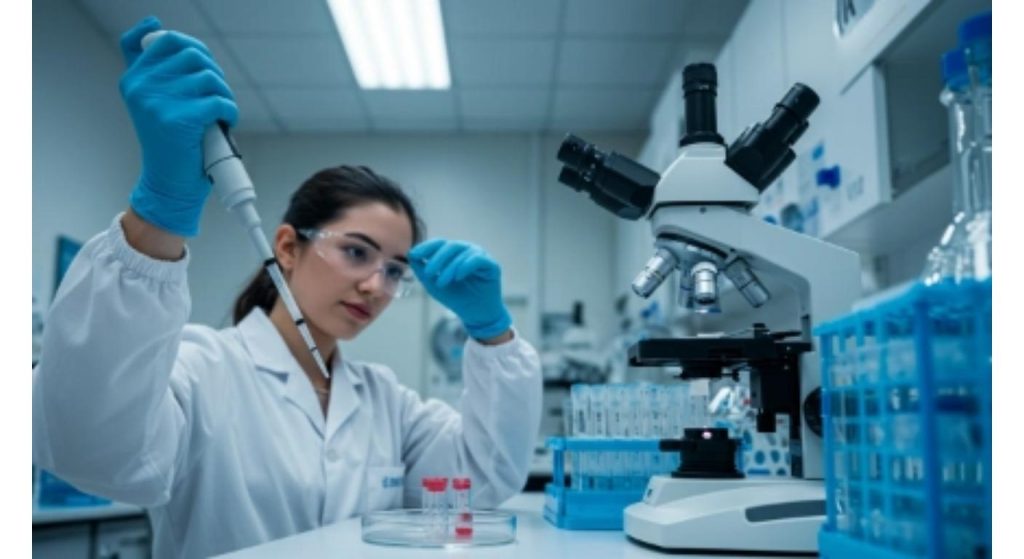
Lens Cleaning Paper is an important part of a microscopy procedure.
Common laboratory materials, hands and microscope objectives and eyepieces are used near samples. Exposed surfaces can collect dust and fingerprints or immersion oil may mark surfaces hindering observation.
When an optical surface is accessible, there is a suitable method for cleaning it and the appropriate lens paper is used to remove the contamination from the accessible optical surface. Typically it is provided in thin sheets for optical cleaning use to give the user a clean surface every time.
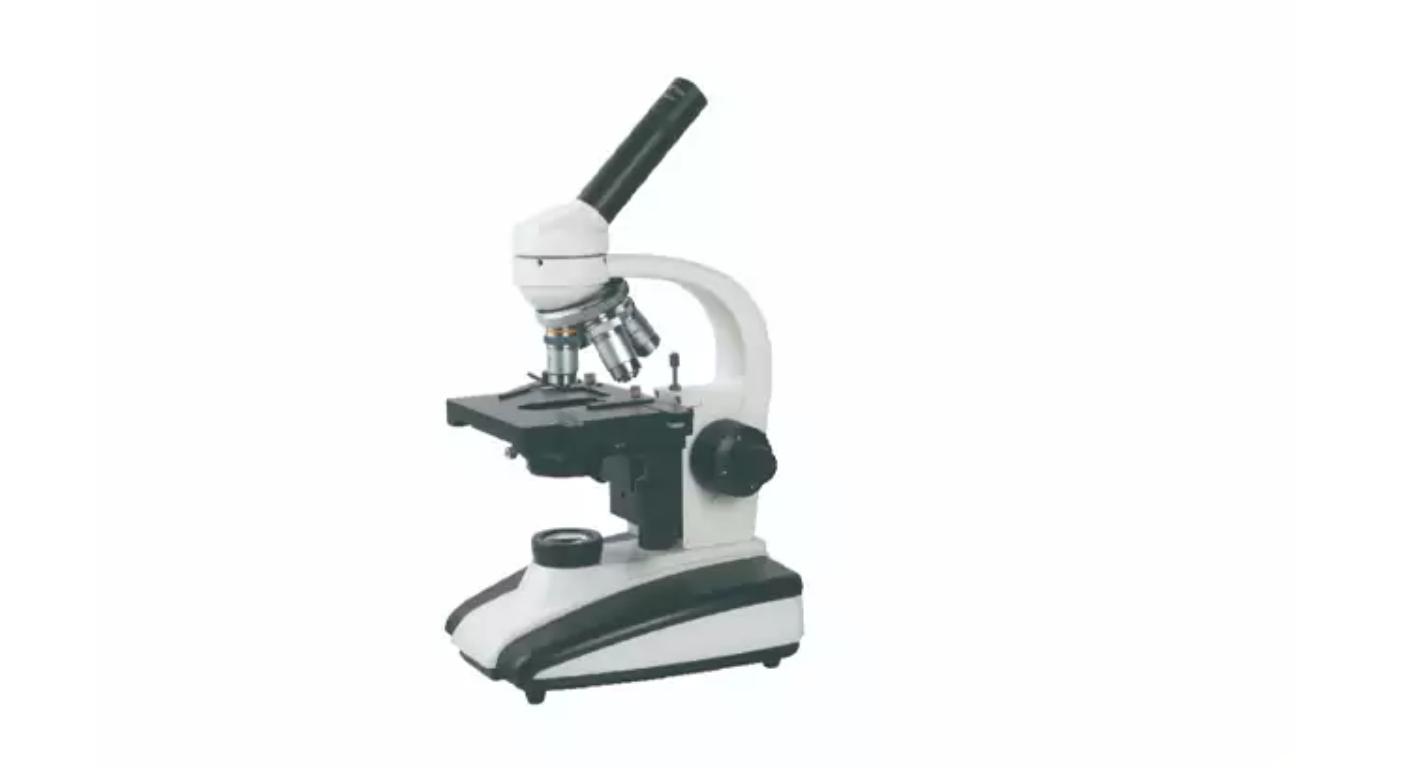
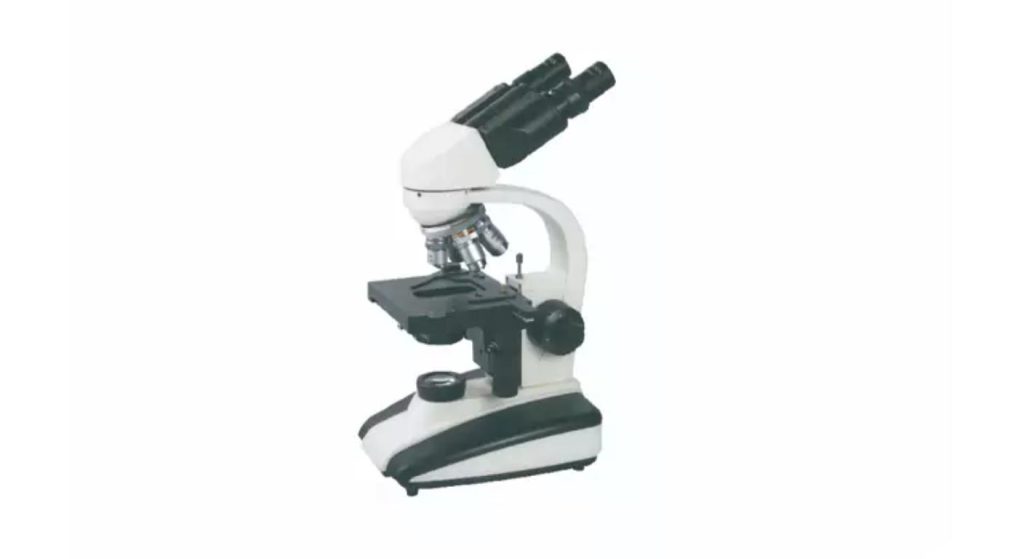
The different types of microscopes used in a laboratory, such as the ones offered by Trustlab, provide a good idea of the diversity of microscopes which may require routine optical care. However, the cleaning procedure should always be carried out in accordance with the instructions for the specific microscope/lens.
Surface & Contamination First
Before picking up a sheet, decide on which part of the optical system to attend. Different handling may be required for an eyepiece, objective (front lens) and camera component. Wash only the surfaces which are accessible by the user and which the instrument manufacturer allows the user to clean.
The look of the mark is important also. Loose dust should be tackled first as there are hard particles that can be dragged across the surface when wiping. Fingerprints and oil might need to be cleaned with an approved cleaning solution and any internal haze or contamination inside a lens assembly might need professional service.
If the lens is blurry, it doesn't necessarily mean that the lens is dirty. Before cleaning, look at the slide and the selected objective, adjust the focus and the illumination. When you can't see what you expected to see in the microscope, according to Trustlab's rundown of common lab equipment problems, you should consider checking the setting and the lens for cleanliness.

Select Paper Designed for Optical Surfaces.
Consider only cleaning papers designed for delicate optical surfaces and inquire with the supplier about the composition and probable lint performance. A good sheet will be clean, soft, and easy to work with without releasing too many fibres to normal use.
A further down-to-earth aspect is packaging. If sheets are kept in a protective booklet or closed dispenser, they have a less chance of getting dusty prior to use. Verify the sheet size and pack format for instruments and how often cleaning is performed in your lab.
Not all laboratory papers serve the same purpose. For instance, in a laboratory, filter paper is used to separate substances from a mixture when they are filtered. It's filtration does not mean it's safe to clean coated lenses.
When procuring, ask for a sample and test it on the equipment concerned, using the approved test procedure. Check the paper to see if it has visible fibres or streaks and if it is easy to work with for staff. Test for compatibility with any cleaning liquid the laboratory uses.
To avoid smears, wipe the lens before you prepare it.
Ensure hands and work surface are clean. Gloves are necessary if required by the laboratory, use clean gloves and do not touch that part of the paper that will be in contact with the lens. Slide or sample removal as needed to provide safe access.
Examine surface under appropriate lighting. Remove loose particles with a clean hand operated air blower or other means recommended by the instrument manufacturer. Do not rub debris visible on the lens.
Store cleaning paper in its bag or container until it is time for use. Particles or chemicals can get on a sheet on the bench, so always use a new sheet from the pack. Dispose of damaged, damp or obviously soiled paper.
Always use a clean sheet and gentle cleaning.
Use microscope manufacturer's procedure for optical surface. Handle or fold the lens paper as directed and gently wipe with a minimum amount of pressure. Don't pass a dirty piece of paper back over the glass.
Using a cleaning solution, if necessary, use only one approved for a particular lens and coating. Follow the manufacturer's directions and apply a little to the paper; don't flood the paper or let liquid get in the lens house.
Check result in good lighting. Repeat the approved procedure with a new sheet if the streak is still there. If marks, scratches or haze remain after pressure is applied, it should be referred to qualified service personnel, not treated with a more potent pressure or any solvent not approved.
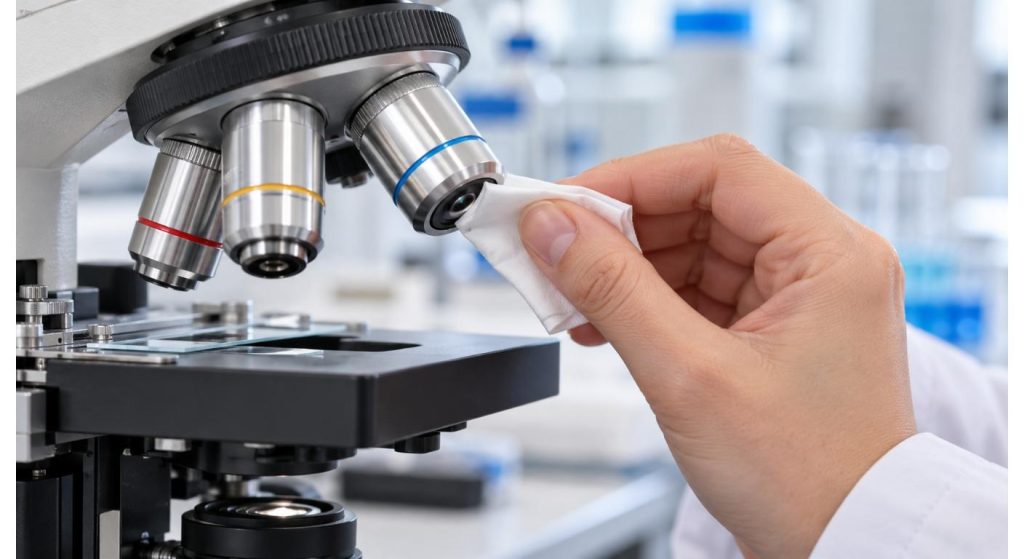
Pay Special Attention to Immersion Oil".
Special care should be taken for oil immersion objectives as oil may be left on the front lens following observation. The GT-XSP-136C binocular microscope from Trustlab is equipped with a 100X oil objective, which means that routine oil removal is important to the use of this microscope.
Clean up immersion oil immediately after use, according to oil manufacturers' and microscope instructions. Always start with new lens paper and if the remaining oil cannot be removed, then use an approved cleaner, as specified by the equipment manufacturer.
Avoid using oil on objectives not designed for immersions. If it's met another goal or dried around the lens assembly, check manufacturer's instructions before you go any further.
Establishing a uniform lab schedule is important.
A routine that is easy to perform and repeat throughout the team. Have lens paper and approved cleaning supplies on hand near the microscope, where they will not be exposed to dust or splashes of chemicals. Have cleaning instructions for the instrument available for staff.
Establish schedule and determine who is responsible for periodic checking of lenses, and when someone should be notified of a problem. If instruments are shared, a short maintenance history may be useful in determining if there is a pattern of residue, optics damage or supplies requiring replacement.
The work that is going on around you is important as well. Avoidable marks during observation can be minimised by careful preparation of samples and handling of microscope slides and covers. Appropriate storage and covers can also help minimize dust between sessions.
Before you make your order, as a Buyer you should check the following:
The optimal buy for a lab or distributor is the one that will fit the specific instruments and cleaning process. Verify the optical use of the paper, sheet size, quantity of packs, pack format and availability of product documentation.
Take into account the method of opening and storage of the pack at the workstation. Staff can access one clean sheet at a time in an appropriate format which will avoid the remaining stock becoming contaminated.
| Purchasing Item | Information to Confirm | Record |
| Intended use | Suitability for the laboratory’s optical surfaces | Approved / To confirm |
| Sheet format | Dimensions and sheets per pack | __________ |
| Packaging | Booklet, dispenser, or other protective format | __________ |
| Sample evaluation | Visible fibers, streaks, and handling results | __________ |
| Supply details | Order quantity, batch identification, and availability | __________ |
Compare samples under typical conditions prior to ordering larger quantities. Write down all the observations and check with the supplier whether there are any requirements that compromise the repeat order, such as packaging, batch identification etc. Be wary of claims like ‘lint-free' unless you test it in your case.
Conclusion
When used appropriately, lens cleaning paper can aid in the care of microscopes that are used for optical purposes. Know the contamination; start removing by removing the loose particles and follow the instructions given by the instrument manufacturer to wipe and use approved solutions.
Use the right paper, protected storage and fresh paper and a good maintenance schedule for consistent results. If it is not possible to remove a mark safely, ask for professional help.
FAQs
Q1. Is it possible to use normal tissue instead of the lens cleaning paper?
Normal tissues can leave fibers or have additives that are not appropriate for optical surfaces. Use paper designed for lens cleaning, and follow manufacturer's directions on the instrument.
Q2. Will immersion oil be taken off by lens cleaning paper?
Can be used as part of recommended oil-removal procedure. Work on the objective following the instructions and use an approved cleaner if necessary.
Q3. Reusing lens cleaning paper?
Take a different sheet or clean place each time. When the oil or particles get onto the lens due to reusing a contaminated portion.
Q4. Is any kind of cleaning liquid allowed for the use of lens paper?
No, verify the liquid is approved for the lens, coating and the instrument to be used prior to use.
Q5. Where will you store the lens cleaning paper?
Store in its protective wrapping in a clean, dry area. Close pack after use and replace soiled sheets.