


Home /

How to Read HCG Combo Rapid Test Cardinal Health
When facing the possibility of pregnancy, every moment before taking the test is a combination of anticipation, fear and a strong desire for confirmation. You've selected a trustworthy device, a quick HCG combination test, but the real strength in the device is how you use it and how you analyze your results. In this extensive guide, you can discover every little thing you need to learn about HCG combination rapid tests, ranging from the science behind them to step-by-step understanding, along with some crucial things to take into consideration when seeking and utilizing these tests in your region.
Understanding HCG: The Pregnancy Hormone
Test interpretation should be preceded by knowledge of the types of tests performed. Human Chorionic Gonadotropin (HCG) is a hormone that the placenta produces right after a fertilized egg implants in the uterine lining. This hormone increases very quickly in early pregnancy, doubling every 48-72 hours during the first weeks of pregnancy.
All pregnancy tests, whether blood or urine, are looking for the presence of HCG. If it's present in any amount, it's likely a sign of pregnancy, but some health issues and certain drugs may cause HCG to be higher than normal.
What Is an HCG Combo Rapid Test?
The rapid HCG combo test is a qualitative immunoassay which can identify if HCG is present or not in urine. The “combo” part is because the test can detect both the intact HCG molecule and the free beta-subunit, making it more likely to detect HCG earlier and at lower levels than standard tests.
Designed to be easy to use, quick and private, these tests offer same-day results at home or in a clinical setting. With proper use, most of the reliable brands offer more than 99% accuracy on or after the day of the expected period, but with strict adherence to instructions.
Key Features of Quality HCG Combo Rapid Tests
When selecting a test, consider these essential features that distinguish high-quality options:
-
High Sensitivity: The best tests can detect HCG levels as low as 25 mIU/mL, allowing for early detection just days after conception .
-
Rapid Results: True to their name, these tests typically deliver results within 3-5 minutes, providing immediate feedback during an anxious waiting period .
-
Ease of Use: Most tests feature straightforward formats—either dip the strip in a urine sample or urinate directly on the test stick—with clear, easily interpretable results.
-
Combo Testing Capability: By detecting multiple HCG variants, combo tests may provide additional information about pregnancy progression and health indicators.
-
Accessibility and Affordability: These tests are widely available at pharmacies, supermarkets, and online retailers at reasonable price points, making them accessible for most consumers.
Step-by-Step Guide to Proper Testing
Accurate results begin with proper preparation and procedure. Follow these general guidelines, but always defer to the specific instructions provided with your test:
Before Testing:
-
Check the expiration date on your test package
-
Read all instructions thoroughly before beginning
-
Use first-morning urine when possible, as it contains the highest concentration of HCG
-
Avoid excessive fluid intake before testing, as diluted urine may affect results
Testing Procedure:
-
Remove the test device from its sealed pouch
-
Place it on a clean, flat surface
-
Depending on your test type, either collect urine in a clean container and dip the test strip, or hold the absorbent tip directly in your urine stream
-
Follow the specific timing instructions for your test (typically 5-10 seconds)
-
Place the test on a flat surface and wait for the designated reading time (usually 3-5 minutes)
Interpreting Your Results: A Visual Guide
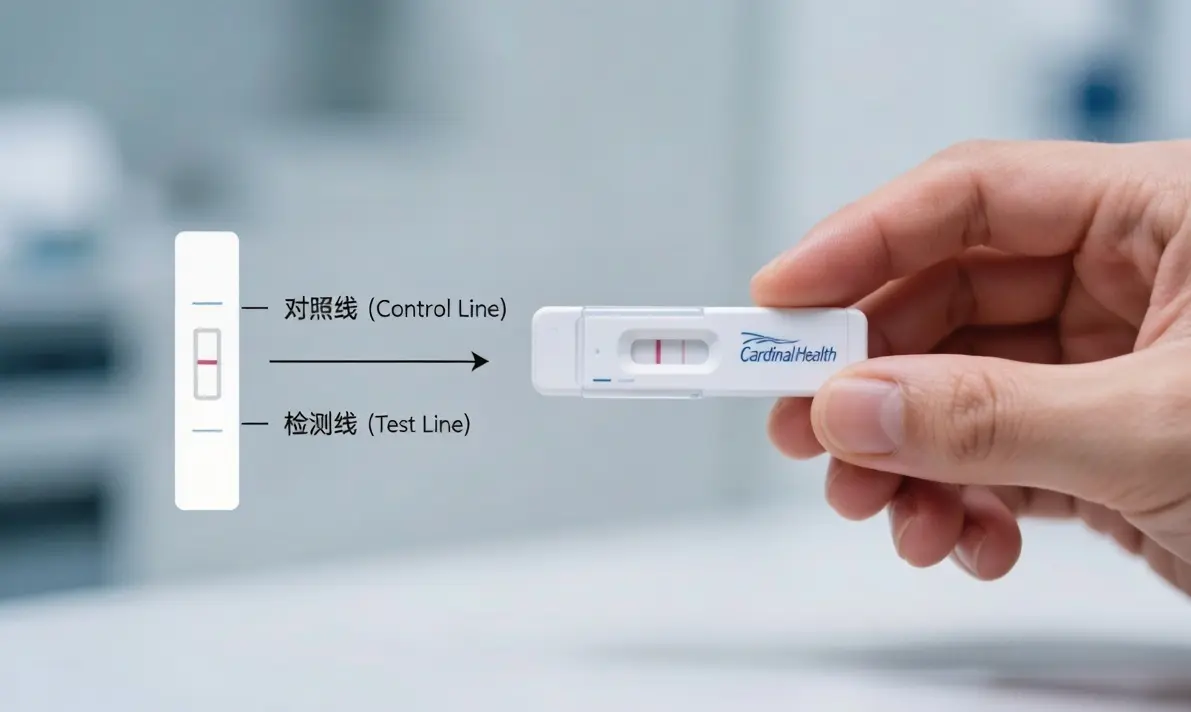
The core of the testing process lies in correctly reading the results. A standard rapid HCG test device has two distinct windows:
Control Window (C): This smaller window contains a line that should always appear if the test is working properly. If no line appears in the control window, the test is invalid and should be discarded.
Test Window (T): This larger window shows your result. Interpretation follows these patterns:
-
Positive Result: Two lines appear—one in the control window and one in the test window. The test line can vary in intensity from faint to dark. Important: A faint line is almost always a positive result, indicating a lower concentration of HCG typical in very early pregnancy .
-
Negative Result: Only one line appears in the control window, with no visible line in the test window.
-
Invalid Result: No lines appear, or only a line appears in the test window without a control line. In this case, the test should be discarded and repeated with a new device.
Critical Timing: Avoiding Evaporation Lines
The evaporation line is a common mistake; it is a thin, colourless line that may show up in the test window once the urine has dried and the reading time has elapsed. This does not mean a woman is pregnant.
This is the key to reading your result in the correct time frame as mentioned in the instructions (usually 5 to 10 minutes, no longer than 30 minutes). Evaporation lines can be interpreted as positive results if the reading is done outside of the recommended window.
Understanding False Results
While modern HCG tests are highly accurate, both false positives and false negatives can occur:
False Negatives (a negative test when you are actually pregnant) are more common and can happen if you:
-
Test too early in pregnancy
-
Use diluted urine
-
Don't follow instructions correctly
-
Have a test that has expired or been stored improperly
False Positives are less common but can be caused by:
-
Certain medications containing HCG (like some fertility drugs)
-
Medical conditions such as ovarian cysts or certain cancers
-
Chemical pregnancies (very early miscarriages)
-
Expired or defective test kits
-
Reading results after the recommended timeframe
Local Availability and Purchasing Considerations
HCG combo rapid tests are widely available, but finding the right option in your area involves several considerations:
Local Pharmacy Options: Most chain pharmacies (CVS, Walgreens, Rite Aid in the US; Boots in the UK; Shoppers Drug Mart in Canada) carry multiple brands of pregnancy tests. Local independent pharmacies may also stock them, often with personalized service and advice.
Supermarket Availability: Many grocery stores include pregnancy tests in their pharmacy or family planning sections. These are often competitively priced and convenient for one-stop shopping.
Online Retailers: Amazon, Walmart.com, and specialized health retailers offer extensive selections, often at lower prices than physical stores. However, consider shipping time if you need immediate testing.
Clinic and Healthcare Provider Options: Many healthcare providers offer pregnancy testing as part of reproductive health services. While these may involve longer wait times for results, they come with professional interpretation and follow-up care.
Price Considerations: Tests range from basic strip tests costing just a few dollars to digital tests with week estimators that can cost $15-25. Consider your needs and budget when selecting.
When to Test and Next Steps
Optimal Testing Time: For the most accurate results, test on or after the day of your expected period. If testing early, use first-morning urine and consider that you may need to retest in a few days if you get a negative result but still suspect pregnancy.
After a Positive Result: Schedule an appointment with your healthcare provider to confirm the pregnancy and begin prenatal care. They can provide accurate dating through ultrasound and blood tests, plus essential guidance for a healthy pregnancy.
After a Negative Result: If your period still doesn't arrive within a week, consider retesting. If you continue to have negative tests but miss multiple periods, consult a healthcare provider to rule out other medical conditions.
Unclear or Invalid Results: If you're unsure about your result or get an invalid test, repeat the test with a new device, carefully following all instructions.
The Bigger Picture: Your Result in Context
The HCG test result is just one of the many factors that are a part of your reproductive health. The outcome of this, good or bad, will give you the information you need to make decisions about what you should do next.
A positive test is the start of an exciting journey for those hoping to become pregnant. For those who are not looking to become pregnant it offers important information for informed decisions at an appropriate time. If you have any questions or concerns about the outcome, keep in mind that your healthcare provider is available to help, guide and test again if necessary.
Frequently Asked Questions
How accurate are HCG combo rapid tests?
When used correctly on or after the day of your expected period, most rapid HCG tests claim over 99% accuracy. Early testing (before your missed period) reduces accuracy, with some tests detecting pregnancy 4-5 days before your expected period with about 50-75% accuracy.
Can medications affect test results?
Yes. Fertility drugs containing HCG can cause false positives. Other medications like diuretics and promethazine can potentially interfere. Always disclose your medications to your healthcare provider when discussing test results.
What does a very faint line mean?
A faint line in the test window is almost always a positive result. It indicates a lower concentration of HCG, typical in very early pregnancy. It is not a faulty test or a "weak positive"—it is a positive result.
Can I reuse the test?
No. HCG test devices are for single use only. They cannot be reused or re-dipped, as this will not provide accurate results.
How should I store unused tests?
Store tests at room temperature (2-30°C/36-86°F), avoiding extreme heat, cold, or moisture. Don't freeze tests, and always check the expiration date before use.
Conclusion: Empowerment Through Knowledge
By learning how to read the HCG rapid test, you'll turn a simple device into a valuable tool for your own health management. Knowing what the test is measuring, how to use it properly and what to make of the results within the correct context helps to demystify the process and lessen anxiety.
Keep in mind that at-home pregnancy tests are useful screening tests but don't replace medical attention. Regardless of your outcome, it's a good idea to discuss the results with a health care professional and get a next step recommendation.
Reproductive health is a personal and important experience. With reliable knowledge and proper instruments, you can take every step with confidence, clarity and control.